Orange County grew up around the car, and for most layover trips a taxi or rideshare is still the quickest and simplest way to go. But there are alternatives. Public buses cover the county, coastal trains run along some of the most scenic railway in the state, and long off-road bike paths link the hills with the sea. Each can work on a layover if you understand its limits. And whichever way you travel, the question of what to do with your bags comes first.
Buses
The Orange County Transportation Authority, OCTA, runs the county's bus network. Routes run along the main roads near John Wayne Airport (SNA), and from there you can reach most towns in the county. The catch is time. Trips to the coast or to inland towns usually involve at least one change, buses run less often in the evenings and at weekends, and a journey that takes twenty minutes by car can take an hour or more.
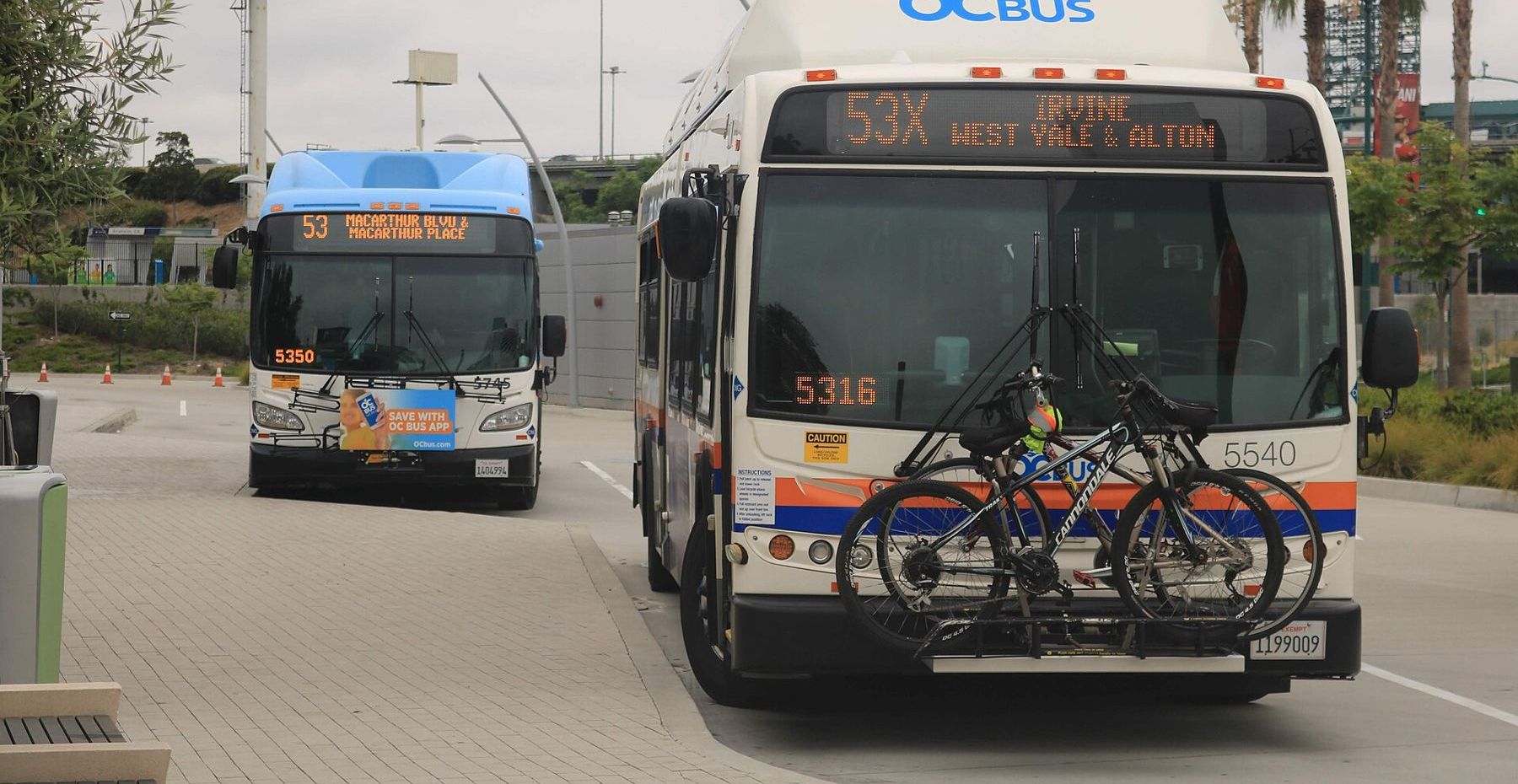
Most OCTA buses carry bicycles on a rack at the front, which is useful if you want to combine a bus with a ride. Large suitcases are awkward on board and space is limited. Fares, payment methods and routes change, so check before you go, and look up the return route as carefully as the outbound one.
Trains
There is no rail station at the airport. The nearest stations, such as Irvine, Tustin and Santa Ana, are a short ride away. Two kinds of train serve them. Metrolink is a commuter rail service, with most trains at weekday rush hours and fewer at other times. The Pacific Surfliner runs between Los Angeles and San Diego, following the coast for long stretches in the south of the county.
For a layover, the most useful rail trips run south. The station at San Juan Capistrano sits right beside the mission, and further down the line San Clemente has a stop by its pier; see San Clemente by train. Not every train stops at every station, and the coastal line south of San Juan Capistrano has been closed for long periods in recent years because of slope failures. Check the timetable and service notices before you go and again on the day.
Bike paths
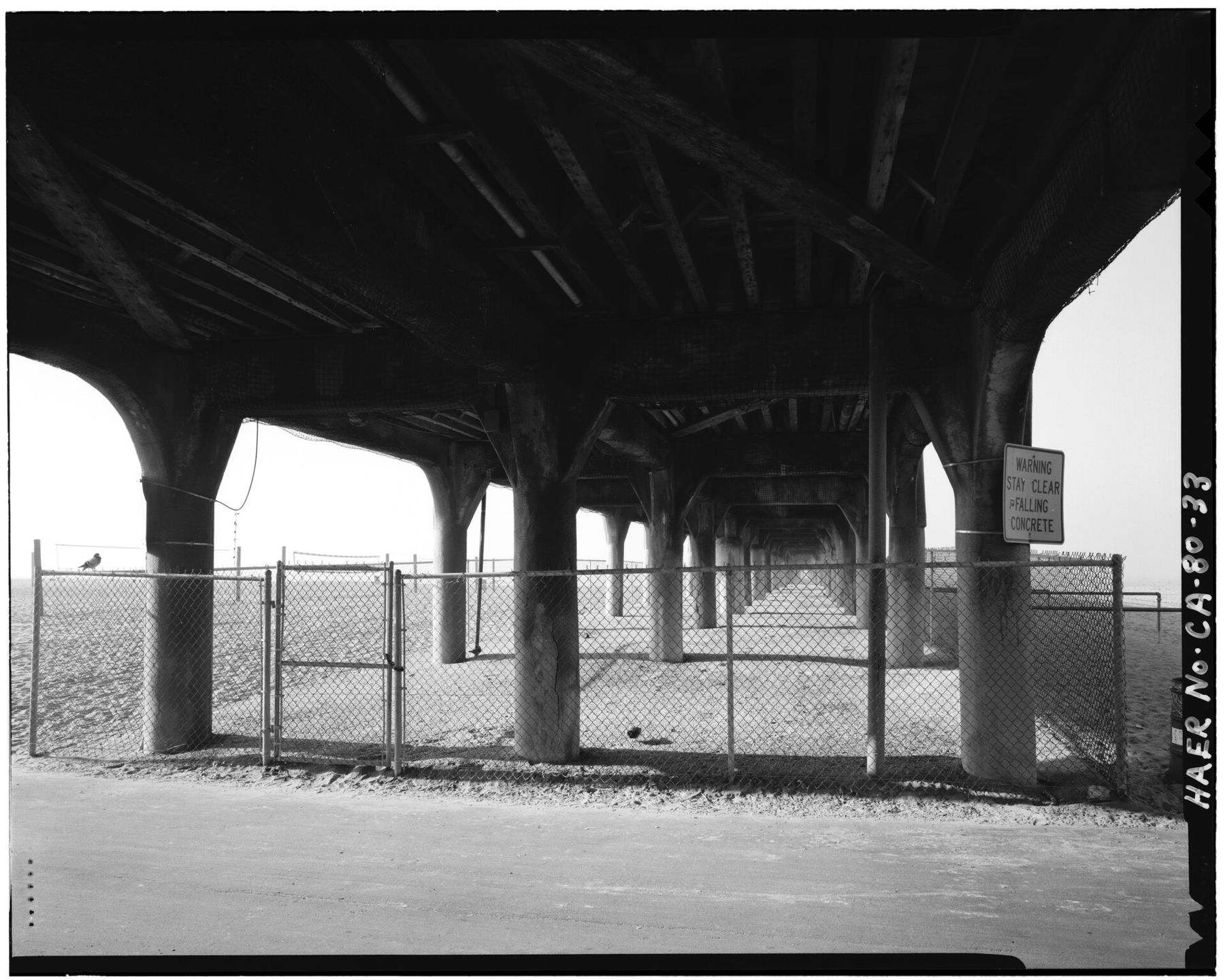
Orange County has a good network of off-road paths, many of them following creeks and rivers. The Mountains to Sea Trail runs through Irvine from the foothills down to the edge of Upper Newport Bay, much of it on paths beside San Diego Creek. The Santa Ana River Trail follows the river for many miles from the inland county to the ocean at the border of Huntington Beach and Newport Beach. Beach paths run along much of the shore, including past the Huntington Beach pier.
Bikes can be hired or shared in parts of the county, but options near the airport change over time; check what is available before you count on one. Riding on roads here means fast, heavy traffic, so stick to the off-road paths where you can. The ride around Upper Newport Bay is one of the easiest and closest to the terminal. Bring water, sun protection and a lock, and remember that a puncture can cost you an hour.
What to do with your bags
The single best thing you can do for a layover outing is to travel light. If your checked bags are going through to your final destination, keep them there. If you only have a carry-on, consider whether you can manage with a small daypack for a few hours and keep the rest in the bag you have to carry anyway.
Luggage storage at US airports has become less common since security rules tightened, and options at or near SNA change over time. Check what exists before you rely on it, and allow time to drop off and collect. Never leave a bag unattended in the terminal or ask a stranger to watch it: unattended bags are treated as a security risk.
If you take a taxi or rideshare, keep your passport, wallet and phone on your body, not in a bag in the boot. On a beach or a trail, the same rule applies.
A good layover daypack is small and simple: water, sunscreen, a hat, a light layer, a phone charger and the documents you need to get back through security. Leave out anything you would not want to carry for three hours in the sun. If you plan to swim or walk on the sand, a small towel and a bag for wet or sandy things will save your carry-on from the worst of it. Remember that anything you take out of the terminal has to go back through screening with you.
Taxis and rideshare
For most trips on a layover, a car is still the best choice. Pickups at the airport use signed areas; follow the ground transportation signs. Outside the town centres, waiting times can be longer, and in some canyons and beaches mobile signal is weak. Agree a return pickup time and place before you set off, or check that you can call a ride from where you will be.
A rule of thumb
Whatever you choose, plan on the return taking at least twice as long as the outbound trip, especially by bus or train. One missed connection or one slow freeway can eat your whole margin. Be back at the terminal at least two hours before a domestic departure and three before an international one, or earlier if your airline advises.